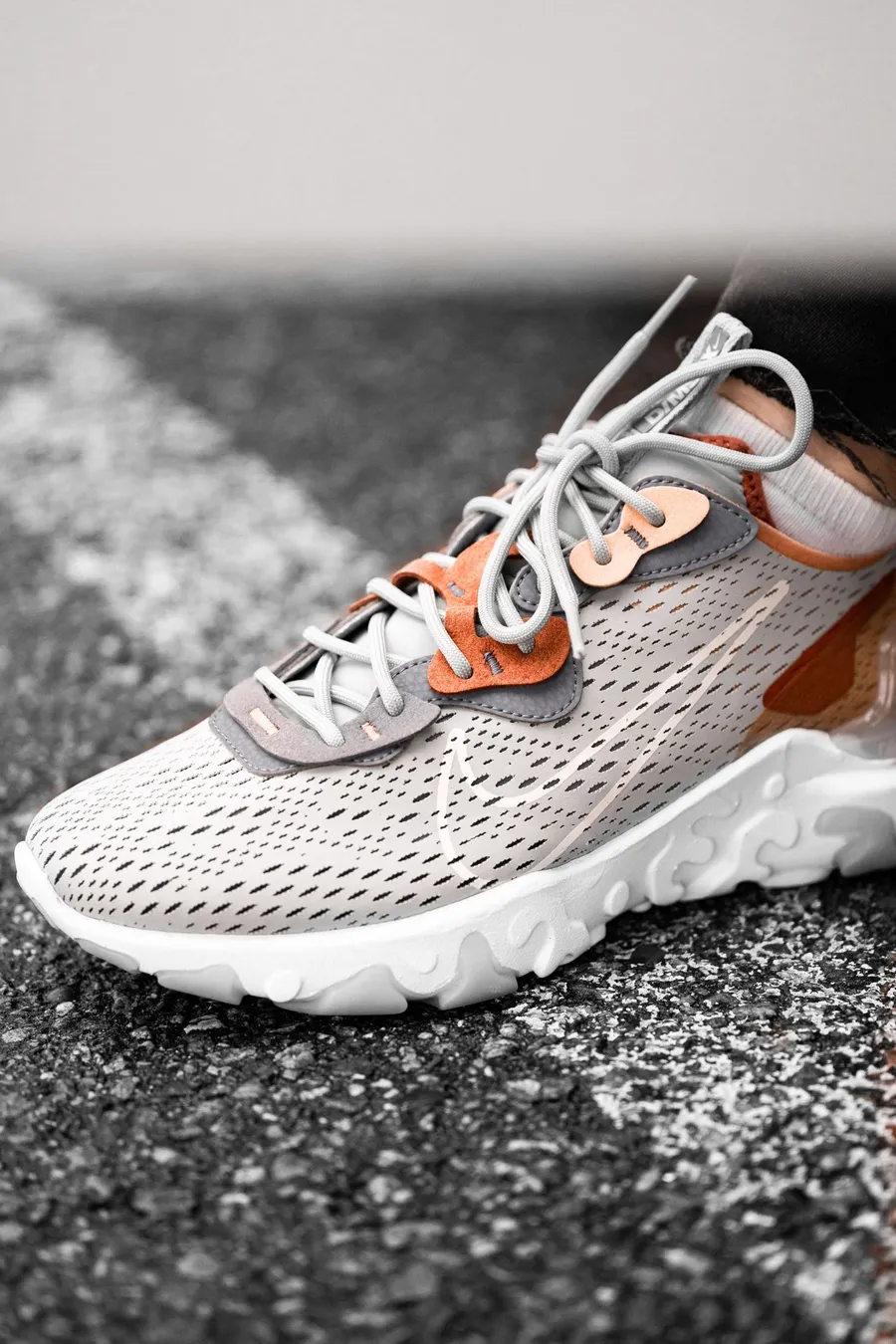
Take a look at the running shoes you wear now. Is there pressure across the widest part of your foot, or do your toes touch the front on a downhill stretch? Those observations help you choose a size or width when buying your next pair.
Take the measurement in your running socks
Put on the socks you usually run in. Stand with your heel against a wall on a sheet of paper, mark where your longest toe reaches and measure from your heel to the mark. Repeat with the other foot and use the longer measurement with the brand's chart. ASICS recommends measuring in the afternoon or evening, when feet can be larger. Brooks suggests approximately a thumbnail of space between the longest toe and the front of the shoe. Follow the particular maker's sizing instructions before deciding whether to go up a size.
Width and shape can matter more than another size up
If the length is comfortable but the forefoot feels squeezed, compare widths instead of automatically sizing up. See the shoes offered in different widths by Brooks and ASICS. The size guide at New Balance uses separate width labels, and selected HOKA models are also available in wider options. Width names do not tell you whether the shape of a shoe will suit your foot, so try both shoes.
Check the seller's return conditions before wearing the new pair outdoors. Walk indoors wearing your usual socks and notice whether the heel moves about, your toes press the end or the sides squeeze. A comfortable shoe holds the heel and midfoot while leaving room for toes to move. For everyday walking and pavement runs, compare road models; look at trail models if you frequently run on loose or uneven outdoor surfaces.